
Foundational Elements
The journey of discipleship is far more than a simple set of religious rules or an intellectual pursuit; it is a comprehensive, life-altering transformation fueled by the grace of God. These Seven Core Elements represent the foundational pillars of a believer's walk, moving from the internal reality of a new identity to the outward expression of a life that impacts the world.
Together, these elements provide a roadmap for moving from spiritual infancy to a robust, fruit-bearing maturity.
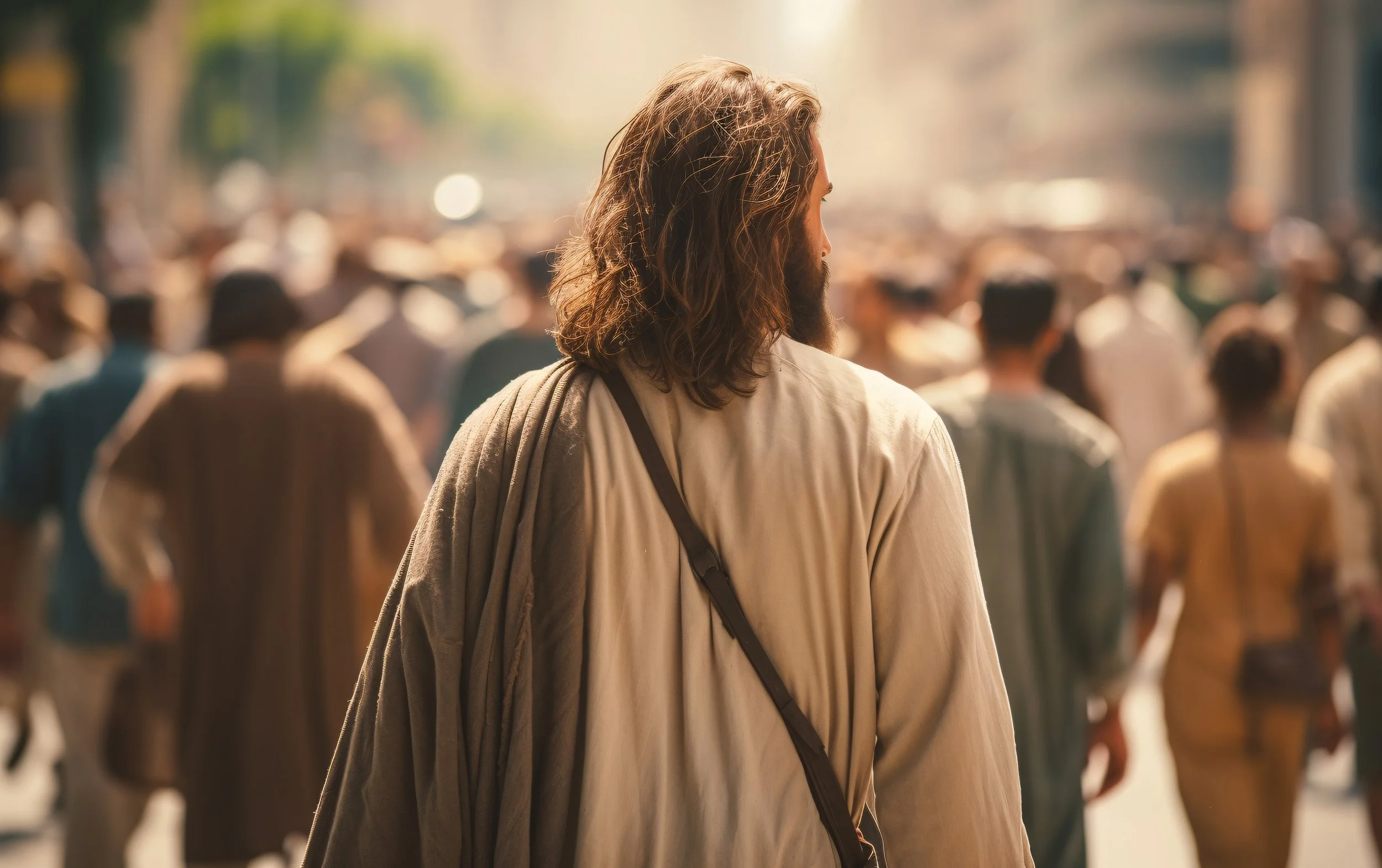
Seven Core Elements
Lord of My Life: Discipleship is as a response of love and faith that begins when a Christian, having accepted Jesus as Savior, realizes that the same grace that rescued them from the penalty of sin now invites them into a new life under His leadership. It is the intentional process of choosing to live for Jesus as Lord of my life—the sovereign, loving Ruler of our daily existence (Colossians 3:17).
True discipleship is fueled by a total surrender to God’s mercy. When we reflect on the depth of His grace, the disciple is naturally motivated to serve and please Jesus, recognizing that life under His Lordship is infinitely more fulfilling than the empty, meaningless life they were previously imprisoned in. To acknowledge Jesus as Lord is to trade the chains of self-will for the purposeful, authentic life we were designed to live (Acts 2:36).
New Creation Identity: This is an immediate spiritual reality upon conversion, where the believer is freed from the power of sin and reconciled with God (2 Corinthians 5:17). The "old self" has passed away, and a new life, aligned with God's righteousness, has begun. Upon conversion, your identity is completely transformed; you are no longer defined by your past sins but are a "new creation" in Christ (2 Corinthians 5:17-21). The power of sin has been broken, freeing you from its dominion, as the "old self" has been crucified with Christ (Romans 6:6-8 Romans 6:11-14). This immediate spiritual reality means you have been reconciled to God, no longer an enemy, but a beloved child and an heir to His promises (Romans 5:10-11, Galatians 4:4-7). Your new life is now in Christ, a life aligned with His righteousness, empowered by the indwelling Holy Spirit to walk in newness of life and live for His purposes (Colossians 3:3, Ephesians 4:22-24).
Divine Citizenship: Recognizing that our eternal home is in heaven provides a profound sense of belonging and purpose that transcends temporary worldly circumstances, fostering a focus on spiritual matters (Philippians 3:20, Hebrews 11:13-16). Our new identity shifts our worldview, leading us to abandon social and political influence to live by biblical principles (Ephesians 2:19, 1 Peter 2:11). This eternal perspective enables us to live confidently, prioritizing spiritual values (Colossians 3:1-2, Matthew 6:19-21) and actively following biblical guidance while we await our Savior's return (2 Corinthians 5:20, Titus 2:13).
Empowered Assurance: Empowered assurance stems from building a life on the steadfast promises of God, providing the resilience needed for a dedicated and surrendered walk of faith. Jesus taught that building one's life on His words provides an unshakable foundation that can withstand life's storms (Matthew 7:24-25). This assurance offers profound hope and perseverance through trials, enabling disciples of Jesus to follow Him more effectively, knowing that God works all things together for good for those who love Him (Romans 8:28).
What better foundation to build on than the one established by the Trinity of God: the Father, Son, and Holy Spirit? As heirs to the kingdom of heaven (Romans 8:17), believers are anointed and sealed with the indwelling of the Holy Spirit, which serves as a guarantee of their inheritance (Ephesians 1:13-14, 2 Corinthians 1:21-22). This sealing enables us to be bold ambassadors for our heavenly home (2 Corinthians 5:20), which Jesus has prepared for us (John 14:2-3).
This confidence rests in the unshakable knowledge that nothing can separate us from God's enduring love (Romans 8:38-39) and His perpetual presence until the very end, as Jesus promised, "I am with you always, to the end of the age" (Matthew 28:20).
Intentional Learning and Abiding: Intentional learning, a cornerstone of discipleship, requires dedicated effort to learn from Jesus's teachings and example, primarily through studying the Bible along with sound biblical teaching and instruction. Jesus highlighted this need for continuous learning and obedience when He commissioned His followers to teach others "to observe all that I have commanded you" (Matthew 28:19-20). The apostle Paul emphasized that all Scripture is useful for teaching and training in righteousness, equipping believers for every good work (2 Timothy 3:16-17), while following sound teaching helps ensure a firm foundation within the community of faith (Acts 2:42).
This continuous learning enables us as disciples to abide in God, which deepens our relationship with Him. True discipleship is rooted and strengthened by abiding in God, a concept central to Jesus's teaching: "Abide in me, and I in you" (John 15:4). This produces a deep love for Him, a love demonstrated by our genuine desire to please and obey His commands, aligning our personal will with His divine purpose (John 14:15). The result of this alignment is tangible evidence of a transformed life lived according to God's will. Ultimately, this practice leads to becoming more like Jesus and less like our former self, with abiding bringing us closer to God and allowing our life to reflect His character and love to the world, demonstrating transformation that results from being "conformed to the image of his Son" (Romans 8:29).
Transformation by the Holy Spirit: Transformation into the likeness of Christ is a profound work of God's grace, not a process of human self-improvement (Ephesians 2:8-9). This supernatural change is initiated and empowered by the indwelling Holy Spirit, who enables us to progressively put aside sinful habits and develop Christlike attributes (Galatians 5:16). This new life in the Spirit also means that we are baptized into the Body of Christ, unifying us as one (1 Corinthians 12:13).
As disciples we learn to "walk in the Spirit" and yield to His guidance, our lives increasingly bear the visible evidence of the “Fruit of the Spirit”—love, joy, peace, patience, kindness, goodness, faithfulness, gentleness, and self-control (Galatians 5:22-23). The Spirit also empowers us with “Gifts of the Spirit,” for the purpose of building up the unified body of Christ and serving others effectively (1 Corinthians 12:4-11, Ephesians 4:11-13). This continuous work of transformation draws us closer to God and equips us to reflect His character and love to the world, demonstrating that "if anyone is in Christ, he is a new creation" (2 Corinthians 5:17).
Bearing Fruit and Purposeful Reproduction: The ultimate outcome of a transformed life in Christ is a compelling existence that "bears fruit" for God's glory (Ephesians 2:10). This expression of discipleship is rooted in giving God our first fruits—prioritizing Him in our time, resources, and energy as an act of worship, trust, and love, as instructed in Proverbs (Proverbs 3:9, Leviticus 23:10). This life is also demonstrated through active good works and outwardly displaying God's love by putting the needs of others first, adopting the selfless mindset encouraged in Philippians (Philippians 2:3-4).
As disciples we live out these truths, we become living examples—"tablets of stone" on which God's law is written, reflecting His character to a watching world (2 Corinthians 3:3). This life naturally leads to purposeful reproduction: actively making new disciples of others and fulfilling the “Great Commission,” which mandates that we "Go into all the world and proclaim the gospel to the whole creation" (Mark 16:15) and "go therefore and make disciples of all nations, baptizing them in the name of the Father and of the Son and of the Holy Spirit, teaching them to observe all that I have commanded you" (Matthew 28:18-20). This cycle of spiritual growth and reproduction ensures the continuous expansion of God's kingdom.
Ultimately, as recipients of God's illuminating light, we are called to shine brightly as "the light of the world" (Matthew 5:14), reflecting the "light of the knowledge of the glory of God in the face of Jesus Christ" (2 Corinthians 4:6), so that others may see our "good works and give glory to [our] Father who is in heaven" (Matthew 5:16).
Learning Toolbox


Video
English
Português Brasileiro
Español
Podcast
Infographic & Slide Deck
Toolbox Takeaways
Following Jesus is far more than a simple checklist—it is a comprehensive, life-altering transformation of our entire reality. It’s the radical exchange of our old, sin-defined self for a new creation hidden in Christ. It’s a reorientation of our allegiance from an earthly focus to an eternal citizenship that anchors our soul. This journey frees us from the anxiety of performance and invites us into a confident rest built on God's Trinitarian promise. It calls us to cease our striving and yield to the Spirit's divine takeover, which not only transforms us from within but also propels us outward on a mission to bear fruit for His glory. This is the profound reality that awaits when we move beyond the basics and embrace the depth of a relationship that truly changes everything.
Considering these truths, what is one area of your life that might look different if you fully embraced this transformative journey today?