
The Trinity: Three-in-One
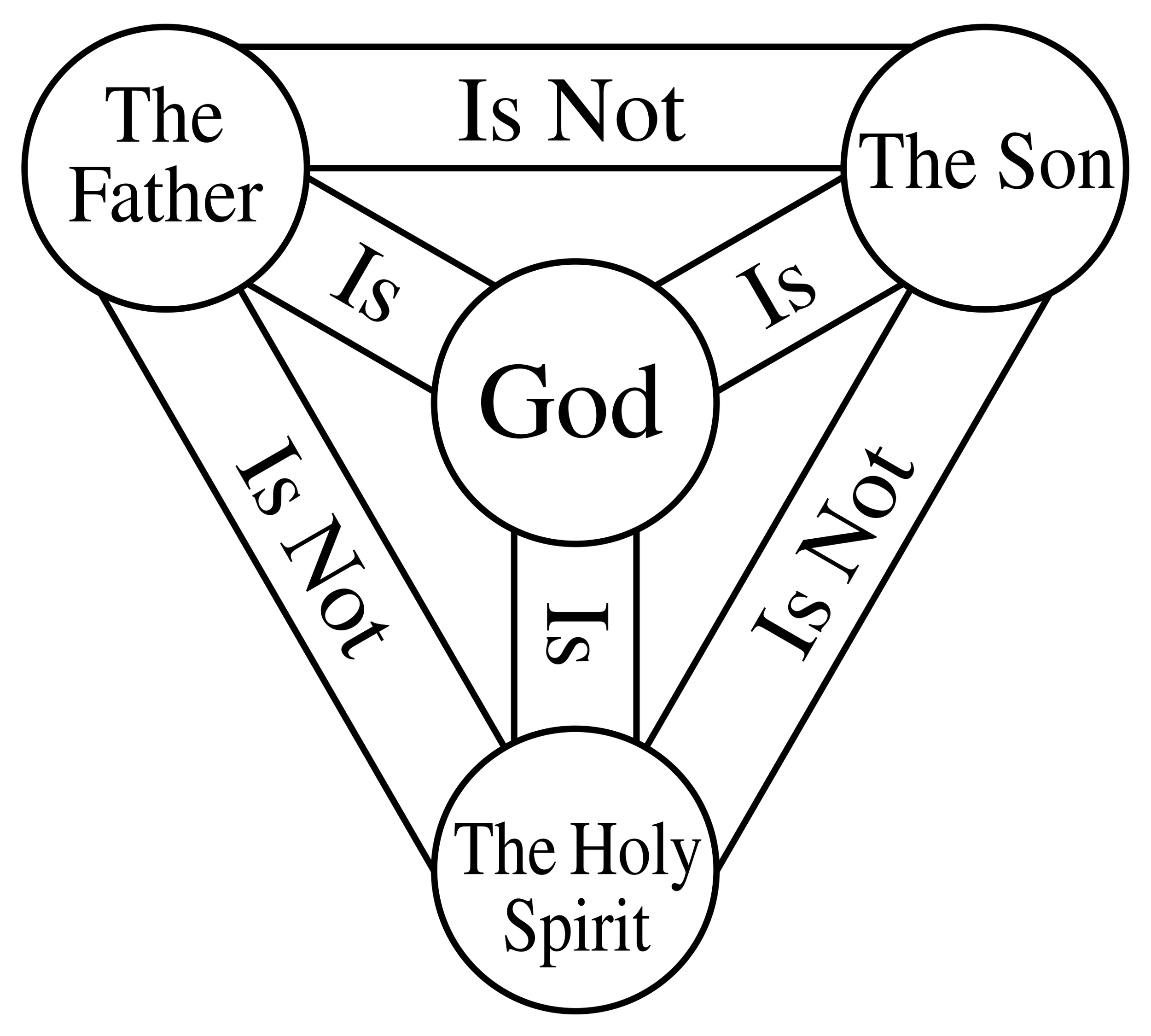
The doctrine of the Trinity defines God as:
one eternal being who exists simultaneously
as three distinct, co-equal, and co-eternal Persons:
God the Father
God the Son (Jesus Christ)
God the Holy Spirit
This is a core mystery of the Christian faith, often summarized as "one God in three Persons," and often referred to as the Triune God or the Godhead.
This lesson explores the Christian doctrine of the Trinity using scripture references and insights from theologians Charles Stanley and Wayne Grudem, emphasizing that while difficult to fully understand, it is a foundational truth of the Christian faith.
Part 1: Defining the Trinity—One God, Three Persons
Part 2: The Co-Equality and Divinity of Each Person

Part 1: Defining the Trinity—One God, Three Persons
Section on Overview
The Christian belief in the Trinity is a core teaching about the nature of God, but it's also a deep mystery. It means we believe in one single God who exists eternally as three distinct "persons": the Father, the Son (Jesus Christ), and the Holy Spirit.
Think of it as one "What" (one God, one divine nature) and three "Whos" (three persons). The early church summarized this as "one substance in three persons." This perfect balance is essential for understanding who God is and how He chose to save us. The Father, Son, and Spirit work together in perfect unity and harmony, demonstrating both God's singular identity and His relational nature.
Key Teachings & References
1. We Believe in Only One God (Monotheism)
The absolute oneness and unity of God is the non-negotiable foundation of the Christian faith, inherited from ancient Judaism. We worship the one ultimate Creator of the universe, explicitly rejecting polytheism (the belief in many gods). The Trinity doctrine does not propose three gods, but rather one singular divine being who exists eternally in three persons. This belief guarantees that there is only one source of ultimate authority, power, and glory in all creation.
Deuteronomy 6:4: “Hear, O Israel: The Lord our God, the Lord is one.” (This is a foundational command to believe in one God).
Romans 3:30: “since God is one—who will justify the circumcised by faith and the uncircumcised through faith.”
Isaiah 45:22: ““Turn to me and be saved, all the ends of the earth, for I am God, and there is no other.”
2. There Are Three Distinct Persons
The Bible consistently shows the Father, the Son (Jesus), and the Holy Spirit interacting with each other as distinct individuals. They are three genuine persons who have an eternal, loving relationship within the one divine being.
It is a common misunderstanding (often called modalism) to think that God simply changes the "hat" He wears—like a person who is a father, a son, and a worker depending on the situation. The Bible refutes this idea. Instead, scripture describes them speaking to, sending, and glorifying one another all at the same time. They are genuinely distinct "Whos" who share one divine "What."
Matthew 3:16-17 (Jesus' Baptism): This event gives us a clear picture of all three present at the same moment:
The Son (Jesus) is being baptized.
The Spirit of God descends like a dove.
The Father speaks from heaven: “This is my beloved Son, with whom I am well pleased.”
Matthew 28:19 (The Great Commission): Jesus commands His followers to baptize people "in the name of the Father and of the Son and of the Holy Spirit.” Notice the singular "name" (one God) but three distinct persons listed.
Genesis 1:26 (Creation): God uses plural language when planning creation: “Then God said, ‘Let us make man in our image, after our likeness.’”
3. Each Person is Fully God
Every single person of the Trinity is fully God in every way; they are co-eternal and co-equal in power, knowledge, and glory. They share the exact same divine nature or essence. There is no hierarchy of being—the Father is not "more God" than the Son, and the Spirit is not a created being or lesser power.
For the Father: (Taught throughout the entire Bible as the ultimate God).
For the Son (Jesus): John 1:1: “In the beginning was the Word, and the Word was with God, and the Word was God.”
For the Holy Spirit: Acts 5:3-4: When Ananias lies to the Holy Spirit, the Apostle Peter tells him, “You have not lied to man but to God.”
Shared Glory/Equality: Philippians 2:6: (Referring to Christ) “who, though he was in the form of God, did not count equality with God a thing to be grasped,”
Bible References
-
📜 Deuteronomy 6:4
4 “Hear, O Israel: The Lord our God, the Lord is one.
📜 Romans 3:30
30 since God is one—who will justify the circumcised by faith and the uncircumcised through faith.
📜 Isaiah 45:22
22 “Turn to me and be saved, all the ends of the earth, for I am God, and there is no other.”
📜 Matthew 3:16-17
16 And when Jesus was baptized, immediately he went up from the water, and behold, the heavens were opened to him, and he saw the Spirit of God descending like a dove and coming to rest on him; 17 and behold, a voice from heaven said, “This is my beloved Son, with whom I am well pleased.”
📜 Matthew 28:19
19 Go therefore and make disciples of all nations, baptizing them in the name of the Father and of the Son and of the Holy Spirit,
📜 Genesis 1:26
26 Then God said, “Let us make man in our image, after our likeness. And let them have dominion over the fish of the sea and over the birds of the heavens and over the livestock and over all the earth and over every creeping thing that creeps on the earth.”
📜 John 1:1
1 In the beginning was the Word, and the Word was with God, and the Word was God.
📜 Acts 5:3-4
3 But Peter said, “Ananias, why has Satan filled your heart to lie to the Holy Spirit and to keep back part of the proceeds of the land? 4 While it remained unsold, did it not remain your own? And after it was sold, was it not at your disposal? Why has it happened that you have conceived this deed in your heart? You have not lied to man but to God.”
📜 Philippians 2:6
6 who, though he was in the form of God, did not count equality with God a thing to be grasped,
-
📜 Deuteronomy 6:4
4 Hear, O Israel: The Lord our God is one Lord.
📜 Romans 3:30
30 Seeing it is one God, which shall justify the circumcision by faith, and uncircumcision through faith.
📜 Isaiah 45:22
22 Look unto me, and be ye saved, all the ends of the earth: for I am God, and there is none else.
📜 Matthew 3:16–17
16 And Jesus, when he was baptized, went up straightway out of the water: and, lo, the heavens were opened unto him, and he saw the Spirit of God descending like a dove, and lighting upon him: 17 And lo a voice from heaven, saying, This is my beloved Son, in whom I am well pleased.
📜 Matthew 28:19
19 Go ye therefore, and teach all nations, baptizing them in the name of the Father, and of the Son, and of the Holy Ghost:
📜 Genesis 1:26
26 And God said, Let us make man in our image, after our likeness: and let them have dominion over the fish of the sea, and over the fowl of the air, and over the cattle, and over all the earth, and over every creeping thing that creepeth upon the earth.
📜 John 1:1
1 In the beginning was the Word, and the Word was with God, and the Word was God.
📜 Acts 5:3–4
3 But Peter said, Ananias, why hath Satan filled thine heart to lie to the Holy Ghost, and to keep back part of the price of the land? 4 Whiles it remained, was it not thine own? and after it was sold, was it not in thine own power? why hast thou conceived this thing in thine heart? thou hast not lied unto men, but unto God.
📜 Philippians 2:6
6 Who, being in the form of God, thought it not robbery to be equal with God:
-
📜 Deuteronomy 6:4
4 Hear, O Israel: The Lord our God, the Lord is one.
📜 Romans 3:30
30 since there is only one God, who will justify the circumcised by faith and the uncircumcised through that same faith.
📜 Isaiah 45:22
22 “Turn to me and be saved, all you ends of the earth; for I am God, and there is no other.
📜 Matthew 3:16-17
16 As soon as Jesus was baptized, he went up out of the water. At that moment heaven was opened, and he saw the Spirit of God descending like a dove and alighting on him. 17 And a voice from heaven said, “This is my Son, whom I love; with him I am well pleased.”
📜 Matthew 28:19
19 Therefore go and make disciples of all nations, baptizing them in the name of the Father and of the Son and of the Holy Spirit,
📜 Genesis 1:26
26 Then God said, “Let us make mankind in our image, in our likeness, so that they may rule over the fish in the sea and the birds in the sky, over the livestock and all the wild animals, and over all the creatures that move along the ground.”
📜 John 1:1
1 In the beginning was the Word, and the Word was with God, and the Word was God.
📜 Acts 5:3-4
3 Then Peter said, “Ananias, how is it that Satan has so filled your heart that you have lied to the Holy Spirit and have kept for yourself some of the money you received for the land? 4 Didn’t it belong to you before it was sold? And after it was sold, wasn’t the money at your disposal? What made you think of doing such a thing? You have not lied just to human beings but to God.”
📜 Philippians 2:6
6 Who, being in very nature God, did not consider equality with God something to be used to his own advantage;
-
📜 Deuteronomy 6:4
4 “Hear, O Israel: The Lord our God, the Lord is one!
📜 Romans 3:30
30 since there is one God who will justify the circumcised by faith and the uncircumcised through faith.
📜 Isaiah 45:22
22 “Look to Me, and be saved, All you ends of the earth! For I am God, and there is no other.
📜 Matthew 3:16-17
16 When He had been baptized, Jesus came up immediately from the water; and behold, the heavens were opened to Him, and He saw the Spirit of God descending like a dove and alighting upon Him. 17 And suddenly a voice came from heaven, saying, “This is My beloved Son, in whom I am well pleased.”
📜 Matthew 28:19
19 Go therefore and make disciples of all the nations, baptizing them in the name of the Father and of the Son and of the Holy Spirit,
📜 Genesis 1:26
26 Then God said, “Let Us make man in Our image, according to Our likeness; let them have dominion over the fish of the sea, over the birds of the air, and over the cattle, over all the earth and over every creeping thing that creeps on the earth.”
📜 John 1:1
1 In the beginning was the Word, and the Word was with God, and the Word was God.
📜 Acts 5:3-4
3 But Peter said, “Ananias, why has Satan filled your heart to lie to the Holy Spirit and keep back part of the price of the land for yourself? 4 While it remained, was it not your own? And after it was sold, was it not in your own control? Why have you conceived this thing in your heart? You have not lied to men but to God.”
📜 Philippians 2:6
6 who, being in the form of God, did not consider it robbery to be equal with God,
-
📜 Deuteronomy 6:4
4 “Listen, O Israel! The Lord is our God, the Lord alone.
📜 Romans 3:30
30 There is only one God, and he makes people right with himself only by faith, whether they are Jews or Gentiles.
📜 Isaiah 45:22
22 Let all the world look to me for salvation! For I am God; there is no other.
📜 Matthew 3:16-17
16 After his baptism, as Jesus came up out of the water, the heavens were opened and he saw the Spirit of God descending like a dove and settling on him. 17 And a voice from heaven said, “This is my dearly loved Son, who brings me great joy.”
📜 Matthew 28:19
19 Therefore, go and make disciples of all the nations, baptizing them in the name of the Father and the Son and the Holy Spirit.
📜 Genesis 1:26
26 Then God said, “Let us make human beings in our image, to be like us. They will reign over the fish in the sea, the birds in the sky, the livestock, all the wild animals on the earth, and the small animals that scurry along the ground.”
📜 John 1:1
1 In the beginning the Word already existed. The Word was with God, and the Word was God.
📜 Acts 5:3-4
3 Then Peter said, “Ananias, why have you let Satan fill your heart? You lied to the Holy Spirit, and you kept some of the money for yourself. 4 The property was yours to sell or not sell, as you wished. And after selling it, the money was also yours to give away. How could you do a thing like this? You weren’t lying to us but to God!”
📜 Philippians 2:6
6 Though he was God, he did not think of equality with God as something to cling to.
-
📜 Deuteronômio 6:4
4 "Ouça, Israel: o SENHOR, o nosso Deus, é o único SENHOR.
📜 Romanos 3:30
30 visto que existe um só Deus, que justificará os circuncisos pela fé e os incircuncisos por meio da mesma fé.
📜 Isaías 45:22
22 "Voltem-se para mim e sejam salvos, todos vocês, confins da terra; pois eu sou Deus, e não há nenhum outro.
📜 Mateus 3:16-17
16 Assim que Jesus foi batizado, saiu da água. Naquele momento, o céu se abriu, e ele viu o Espírito de Deus descendo como pomba e pousando sobre ele. 17 Então, uma voz dos céus disse: "Este é o meu Filho amado, em quem me agrado".
📜 Mateus 28:19
19 Portanto, vão e façam discípulos de todas as nações, batizando-os em nome do Pai e do Filho e do Espírito Santo,
📜 Gênesis 1:26
26 Então disse Deus: "Façamos o ser humano à nossa imagem, à nossa semelhança. Que eles dominem sobre os peixes do mar, sobre as aves dos céus, sobre os rebanhos, sobre toda a terra e sobre todos os animais que rastejam pela terra".
📜 Atos 5:3-4
3 Mas Pedro perguntou: "Ananias, como você permitiu que Satanás enchesse o seu coração a ponto de você mentir ao Espírito Santo e guardar para si uma parte do dinheiro da venda do terreno? 4 Ele não era seu, antes de ser vendido? E, depois de vendido, o dinheiro não estava em seu poder de decisão? O que o levou a pensar em fazer tal coisa? Você não mentiu aos homens, mas a Deus".
📜 Filipenses 2:6
6 que, embora sendo Deus, não considerou que o ser igual a Deus era algo a que devia apegar-se,
-
📜 Deuteronomio 6:4
4 »Escucha, Israel: El Señor nuestro Dios es el único Señor.
📜 Romanos 3:30
30 pues no hay más que un solo Dios. Él justificará por la fe a los que están circuncidados y, mediante esa misma fe, a los que no lo están.
📜 Isaías 45:22
22 »Vuelvan a mí y sean salvos, todos los confines de la tierra, porque yo soy Dios, y no hay ningún otro.
📜 Mateo 3:16-17
16 Tan pronto como Jesús fue bautizado, subió del agua. En ese momento se abrió el cielo, y él vio al Espíritu de Dios bajar como una paloma y posarse sobre él. 17 Y una voz desde el cielo decía: «Este es mi Hijo amado; estoy muy complacido con él».
📜 Mateo 28:19
19 Por tanto, vayan y hagan discípulos de todas las naciones, bautizándolos en el nombre del Padre y del Hijo y del Espíritu Santo,
📜 Génesis 1:26
26 Luego dijo Dios: «Hagamos al ser humano a nuestra imagen y semejanza. Que tenga dominio sobre los peces del mar y sobre las aves del cielo; sobre los animales domésticos, sobre los animales salvajes y sobre todos los animales que se arrastran por el suelo».
📜 Juan 1:1
1 En el principio ya existía el Verbo, y el Verbo estaba con Dios, y el Verbo era Dios.
📜 Hechos 5:3-4
3 —Ananías —le reclamó Pedro—, ¿cómo es posible que Satanás haya llenado tu corazón para que mintieras al Espíritu Santo y te quedaras con parte del dinero que recibiste por el terreno? 4 ¿Acaso no era tuyo antes de venderlo? Y, una vez vendido, ¿no estaba el dinero en tu poder? ¿Cómo se te ocurrió hacer esto? No has mentido a los hombres, sino a Dios.
📜 Filipenses 2:6
6 quien, siendo por naturaleza Dios, no consideró el ser igual a Dios como algo a lo que aferrarse,
Key Aspects
Monotheism is Foundational (Deuteronomy 6:4, Romans 3:30, Isaiah 45:22): The belief in one supreme God is the absolute starting point for the Christian faith. The Trinity does not mean three gods; it means one divine being who exists as three persons.
Three Distinct Persons (Matthew 3:16-17, Matthew 28:19, Genesis 1:26): The Father, Son, and Holy Spirit are real, separate persons who interact with each other in scripture, not just different titles for the same person.
Shared Divinity and Full Equality (John 1:1, Acts 5:3-4, Philippians 2:6): Each person of the Trinity is 100% God. They share the exact same divine nature and are equal in power, glory, and eternal existence.
Perfect Unity: The three persons work together in seamless, perfect harmony in everything they do (creation, salvation, etc.).
Section Summary Statement
The Christian doctrine of the Trinity teaches that God is one unified divine being who eternally exists as three distinct, co-equal persons: Father, Son, and Holy Spirit. This concept affirms both absolute monotheism (one God) and the genuine relationships within the Godhead. Each person is fully God, sharing the same divine essence. This perfect, unified nature of God is essential for understanding who He is and how He makes salvation possible.
Section Questions
The Mystery and Your Understanding: The text calls the Trinity a "deep mystery" ("one 'What,' three 'Whos'"). How would you explain your current understanding of the Trinity to a friend using simple, everyday language? Where does the concept still feel mysterious to you?
One God, One Authority: The belief in only one God means there is only one source of ultimate authority in the universe. How does believing in a single, ultimate source of authority (rather than many competing powers) bring order, comfort, or stability to your personal view of the world and your life?
Rejecting the "Hat Trick": The text warns against thinking of God as just changing "hats" (modalism). Why is the distinction of the Father, Son, and Holy Spirit as three genuine persons who interact with each other important for understanding the nature of God's character and His ability to be in relationship with us?
A Perfect Picture of Teamwork: The Bible shows the Father, Son, and Spirit working in perfect unity (like at Jesus' baptism in Matthew 3:16-17). How does this divine example of perfect unity and harmony influence your thoughts on teamwork, family dynamics, or church cooperation?
Equality in Godhead: The text emphasizes that each Person of the Trinity is fully God and totally equal (the Father is not "more God" than Jesus). How does knowing that the Holy Spirit, who lives within believers, is fully God, change the way you rely on His power in your daily life?
The Relational Nature of God: The Trinity reveals that God has eternally existed in a loving relationship within Himself. Since we are made in "our image, after our likeness" (Genesis 1:26), how does the Trinitarian nature of God inform or inspire the way you prioritize and engage in your own relationships with others?

Part 2: The Co-Equality and Divinity of Each Person
Section Overview
A second crucial aspect of the Trinity doctrine is the concept of co-equality. This means that each person of the Trinity is fully and entirely God, possessing every single divine attribute—such as being all-knowing (omniscient), all-powerful (omnipotent), and eternally existent. The core doctrine here is that all three share the same divine essence without any hierarchy of nature or power. The Father is not "more God" than the Son, nor is the Spirit "less God" than the Father. This total equality is demonstrated in the seamless cooperation seen throughout Scripture, from creation to salvation, where the persons work in perfect, unified harmony. While their roles in interacting with the world may differ functionally (as a Father sending a Son, or a Spirit being sent), their status and inherent divinity are identical.
Key Teachings & References
1. The Full Divinity of the Father, Son, and Holy Spirit
The Bible clearly confirms that each person within the Godhead holds the full status and nature of God. This supports the core doctrine of equal divinity and shared substance: the entire essence of God is present in each person. The "God-ness" is not divided up; the Father, Son, and Holy Spirit are all completely God, co-eternal and co-equal in power and glory.
The Father is God:
The Father is consistently presented throughout the Old and New Testaments as the primary source of divinity, the ultimate Creator, the sovereign King, and the one to whom all glory is due. He is the standard against which all other claims of deity are measured. The Father is eternal, unchanging, all-powerful, and perfectly holy—He possesses every single attribute of God.1 Corinthians 8:6: “yet for us there is one God, the Father, from whom are all things and for whom we exist, and one Lord, Jesus Christ, through whom are all things and through whom we exist.”
Malachi 2:10: “Have we not all one Father? Has not one God created us? Why then are we faithless to one another, profaning the covenant of our fathers?”
John 17:3: (Jesus praying to the Father) “And this is eternal life, that they know you, the only true God, and Jesus Christ whom you have sent.”
The Son (Jesus) is God:
Jesus Christ is not a created being or a subordinate deity; He is eternal God who took on human flesh (the Incarnation). Scripture attributes divine names, attributes (like omniscience and omnipotence), and worship—which is reserved only for God—to Jesus. He possesses the complete and total essence of God while also being fully human.Colossians 2:9: “For in him [Christ] the whole fullness of deity dwells bodily,” (Emphasizes that all of God lives in Jesus).
John 1:1: “In the beginning was the Word, and the Word was with God, and the Word was God.”
Hebrews 1:8: “But of the Son he says, “Your throne, O God, is forever and ever, the scepter of uprightness is the scepter of your kingdom.”
The Holy Spirit is God:
The Holy Spirit is a distinct divine person, not an impersonal force or power. His deity is shown through His possession of divine attributes (omniscience, omnipresence, eternity) and His performance of divine actions, such as creation and giving life. To lie to the Spirit is to lie directly to God Himself.Acts 5:3-4: When Peter confronts Ananias about his lie, lying to the Holy Spirit is equated with lying to God: “You have not lied to man but to God.”
1 Corinthians 3:16: “Do you not know that you are God's temple and that God's Spirit dwells in you?” (Where the Spirit is, God is).
Psalm 139:7-8: (Attributes omniscience/omnipresence to the Spirit) “Where shall I go from your Spirit? Or where shall I flee from your presence? If I ascend to heaven, you are there; if I make my bed in Sheol, behold, you are there.”
2. The Interrelation and Perfect Teamwork of the Persons
The Trinity is seen working together throughout scripture in a perfect, ordered coordination based on their equal standing and unified purpose. The three persons of God interact seamlessly, perfectly united in purpose and being. This demonstrates a mysterious mutual indwelling (perichoresis) where the action of one person involves the others, showcasing ultimate relational harmony.
Ephesians 2:18: Shows the cooperative nature of prayer and access to God: “For through him [Jesus] we both have access in one Spirit to the Father.” (A Trinitarian pathway to God).
2 Corinthians 13:14: A beautiful Trinitarian blessing highlighting perfect fellowship: “The grace of the Lord Jesus Christ and the love of God and the fellowship of the Holy Spirit be with you all.”
1 Peter 1:2: Shows a coordinated effort in salvation: "according to the foreknowledge of God the Father, in the sanctification of the Spirit, for obedience to Jesus Christ and for sprinkling with his blood."
Bible References
-
📜 1 Corinthians 8:6
6 yet for us there is one God, the Father, from whom are all things and for whom we exist, and one Lord, Jesus Christ, through whom are all things and through whom we exist.
📜 Malachi 2:10
10 Have we not all one Father? Has not one God created us? Why then are we faithless to one another, profaning the covenant of our fathers?
📜 John 17:3
3 And this is eternal life, that they know you, the only true God, and Jesus Christ whom you have sent.
📜 Colossians 2:9
9 For in him the whole fullness of deity dwells bodily,
📜 John 1:1
1 In the beginning was the Word, and the Word was with God, and the Word was God.
📜 Hebrews 1:8
8 But of the Son he says, “Your throne, O God, is forever and ever, the scepter of uprightness is the scepter of your kingdom.”
📜 Acts 5:3-4
3 But Peter said, “Ananias, why has Satan filled your heart to lie to the Holy Spirit and to keep back for yourself part of the proceeds of the land? 4 While it remained unsold, did it not remain your own? And after it was sold, was it not at your disposal? Why is it that you have contrived this deed in your heart? You have not lied to man but to God.”
📜 1 Corinthians 3:16
16 Do you not know that you are God's temple and that God's Spirit dwells in you?
📜 Psalm 139:7-8
7 Where shall I go from your Spirit? Or where shall I flee from your presence? If I ascend to heaven, you are there; if I make my bed in Sheol, behold, you are there.
📜 Ephesians 2:18
18 For through him we both have access in one Spirit to the Father.
📜 2 Corinthians 13:14
14 The grace of the Lord Jesus Christ and the love of God and the fellowship of the Holy Spirit be with you all.
📜 1 Peter 1:2
2 according to the foreknowledge of God the Father, in the sanctification of the Spirit, for obedience to Jesus Christ and for sprinkling with his blood:
-
📜 1 Corinthians 8:6
6 But to us there is but one God, the Father, of whom are all things, and we in him; and one Lord Jesus Christ, by whom are all things, and we by him.
📜 Malachi 2:10
10 Have we not all one father? hath not one God created us? why do we deal treacherously every man against his brother, by profaning the covenant of our fathers?
📜 John 17:3
3 And this is life eternal, that they might know thee the only true God, and Jesus Christ, whom thou hast sent.
📜 Colossians 2:9
9 For in him dwelleth all the fulness of the Godhead bodily.
📜 John 1:1
1 In the beginning was the Word, and the Word was with God, and the Word was God.
📜 Hebrews 1:8
8 But unto the Son he saith, Thy throne, O God, is for ever and ever: a sceptre of righteousness is the sceptre of thy kingdom.
📜 Acts 5:3-4
3 But Peter said, Ananias, why hath Satan filled thine heart to lie to the Holy Ghost, and to keep back part of the price of the land? 4 Whiles it remained, was it not thine own? and after it was sold, was it not in thine own power? why hast thou conceived this thing in thine heart? thou hast not lied unto men, but unto God.
📜 1 Corinthians 3:16
16 Know ye not that ye are the temple of God, and that the Spirit of God dwelleth in you?
📜 Psalm 139:7-8
7 Whither shall I go from thy spirit? or whither shall I flee from thy presence? 8 If I ascend up into heaven, thou art there: if I make my bed in hell, behold, thou art there.
📜 Ephesians 2:18
18 For through him we both have access by one Spirit unto the Father.
📜 2 Corinthians 13:14
14 The grace of the Lord Jesus Christ, and the love of God, and the communion of the Holy Ghost, be with you all. Amen.
📜 1 Peter 1:2
2 Elect according to the foreknowledge of God the Father, through sanctification of the Spirit, unto obedience and sprinkling of the blood of Jesus Christ: Grace unto you, and peace, be multiplied.
-
📜 1 Corinthians 8:6
6 yet for us there is but one God, the Father, from whom all things came and for whom we live; and there is but one Lord, Jesus Christ, through whom all things came and through whom we live.
📜 Malachi 2:10
10 Do we not all have one Father? Did not one God create us? Why do we profane the covenant of our ancestors by being unfaithful to one another?
📜 John 17:3
3 Now this is eternal life: that they know you, the only true God, and Jesus Christ, whom you have sent.
📜 Colossians 2:9
9 For in Christ all the fullness of the Deity lives in bodily form,
📜 John 1:1
1 In the beginning was the Word, and the Word was with God, and the Word was God.
📜 Hebrews 1:8
8 But about the Son he says, “Your throne, O God, will last for ever and ever; a scepter of justice will be the scepter of your kingdom.”
📜 Acts 5:3-4
3 Then Peter said, “Ananias, how is it that Satan has so filled your heart that you have lied to the Holy Spirit and have kept for yourself some of the money you received for the land? 4 Didn’t it belong to you before it was sold? And after it was sold, wasn’t the money at your disposal? What made you think of doing such a thing? You have not lied just to human beings but to God.”
📜 1 Corinthians 3:16
16 Don’t you know that you yourselves are God’s temple and that God’s Spirit dwells in your midst?
📜 Psalm 139:7-8
7 Where can I go from your Spirit? Where can I flee from your presence? 8 If I go up to the heavens, you are there; if I make my bed in the depths, you are there.
📜 Ephesians 2:18
18 For through him we both have access to the Father by one Spirit.
📜 2 Corinthians 13:14
14 May the grace of the Lord Jesus Christ, and the love of God, and the fellowship of the Holy Spirit be with you all.
📜 1 Peter 1:2
2 who have been chosen according to the foreknowledge of God the Father, through the sanctifying work of the Spirit, to be obedient to Jesus Christ and sprinkled with his blood:
-
📜 1 Corinthians 8:6
6 yet for us there is one God, the Father, of whom are all things, and we for Him; and one Lord Jesus Christ, through whom are all things, and through whom we live.
📜 Malachi 2:10
10 Have we not all one Father? Has not one God created us? Why do we deal treacherously with one another By profaning the covenant of the fathers?
📜 John 17:3
3 And this is eternal life, that they may know You, the only true God, and Jesus Christ whom You have sent.
📜 Colossians 2:9
9 For in Him dwells all the fullness of the Godhead bodily;
📜 John 1:1
1 In the beginning was the Word, and the Word was with God, and the Word was God.
📜 Hebrews 1:8
8 But to the Son He says: “Your throne, O God, is forever and ever; A scepter of righteousness is the scepter of Your kingdom.”
📜 Acts 5:3-4
3 But Peter said, “Ananias, why has Satan filled your heart to lie to the Holy Spirit and keep back part of the price of the land for yourself? 4 While it remained, was it not your own? And after it was sold, was it not in your own control? Why have you conceived this thing in your heart? You have not lied to men but to God.”
📜 1 Corinthians 3:16
16 Do you not know that you are the temple of God and that the Spirit of God dwells in you?
📜 Psalm 139:7-8
7 Where can I go from Your Spirit? Or where can I flee from Your presence? 8 If I ascend into heaven, You are there; If I make my bed in hell, behold, You are there.
📜 Ephesians 2:18
18 For through Him we both have access by one Spirit to the Father.
📜 2 Corinthians 13:14
14 The grace of the Lord Jesus Christ, and the love of God, and the communion of the Holy Spirit be with you all. Amen.
📜 1 Peter 1:2
2 elect according to the foreknowledge of God the Father, in sanctification of the Spirit, for obedience and sprinkling of the blood of Jesus Christ:
-
📜 1 Corinthians 8:6
6 But for us, There is one God, the Father, by whom all things were created, and for whom we live. And there is one Lord, Jesus Christ, through whom all things were created, and through whom we live.
📜 Malachi 2:10
10 Are we not all children of the same Father? Are we not all created by the same God? Then why do we betray each other, violating the covenant of our ancestors?
📜 John 17:3
3 And this is the way to have eternal life—to know you, the only true God, and Jesus Christ, the one you sent to earth.
📜 Colossians 2:9
9 For in Christ lives all the fullness of God in a human body.
📜 John 1:1
1 In the beginning was the Word, and the Word was with God, and the Word was God.
📜 Hebrews 1:8
8 But to the Son he says, “Your throne, O God, endures forever and ever. You rule with a scepter of justice.”
📜 Acts 5:3-4
3 Then Peter said, “Ananias, why have you let Satan fill your heart? You lied to the Holy Spirit, and you kept some of the money for yourself. 4 The property was yours to sell or not sell, as you wished. And after selling it, the money was also yours to give away. How could you do a thing like this? You weren’t lying to us but to God!”
📜 1 Corinthians 3:16
16 Don’t you realize that all of you together are the temple of God and that the Spirit of God lives in you?
📜 Psalm 139:7-8
7 I can never escape from your Spirit! I can never get away from your presence! 8 If I go up to heaven, you are there; if I go down to the grave, you are there.
📜 Ephesians 2:18
18 Now all of us can come to the Father through the same Holy Spirit because of what Christ has done for us.
📜 2 Corinthians 13:14
14 May the grace of the Lord Jesus Christ, the love of God, and the fellowship of the Holy Spirit be with you all.
📜 1 Peter 1:2
2 God the Father knew you and chose you long ago, and his Spirit has made you holy. As a result, you have obeyed him and have been cleansed by the blood of Jesus Christ. May God give you more and more grace and peace.
-
📜 1 Coríntios 8:6
6 para nós, porém, há um único Deus, o Pai, de quem vêm todas as coisas e para quem vivemos; e um só Senhor, Jesus Cristo, por meio de quem vieram todas as coisas e por meio de quem vivemos.📜 Malaquias 2:10
10 Não temos todos um único Pai? Não fomos todos criados por um único Deus? Por que, então, quebramos a aliança dos nossos antepassados sendo infiéis uns aos outros?📜 João 17:3
3 Esta é a vida eterna: que te conheçam, o único Deus verdadeiro, e a Jesus Cristo, a quem enviaste.📜 Colossenses 2:9
9 Pois toda a plenitude da divindade habita corporalmente em Cristo.📜 João 1:1
1 No princípio era aquele que é a Palavra. Ele estava com Deus, e era Deus.📜 Hebreus 1:8
8 Mas a respeito do Filho, diz: "O teu trono, ó Deus, será eterno; cetro de justiça é o cetro do teu reino.📜 Atos 5:3-4
3 Então Pedro perguntou: "Ananias, por que você permitiu que Satanás enchesse o seu coração, a ponto de você mentir ao Espírito Santo e guardar para si uma parte do dinheiro que recebeu pela propriedade?
4 Ela não era sua o tempo todo? E, depois de vendida, o dinheiro não estava em seu poder? O que o levou a fazer tal coisa? Você não mentiu aos homens, mas a Deus".📜 1 Coríntios 3:16
16 Vocês não sabem que são santuário de Deus e que o Espírito de Deus habita em vocês?📜 Salmos 139:7-8
7 Para onde poderia eu fugir do teu Espírito? Para onde poderia eu escapar da tua presença?
8 Se eu subir aos céus, lá estás; se eu fizer a minha cama na sepultura, também lá estás.📜 Efésios 2:18
18 Pois por meio dele tanto nós como vocês temos acesso ao Pai, por um mesmo Espírito.📜 2 Coríntios 13:14
14 A graça do Senhor Jesus Cristo, o amor de Deus e a comunhão do Espírito Santo sejam com todos vocês.📜 1 Pedro 1:2
2 eleitos segundo a pré-ciência de Deus Pai, pela santificação do Espírito, para a obediência e aspersão do sangue de Jesus Cristo, graça e paz lhes sejam multiplicadas. -
📜 1 Corintios 8:6
6 para nosotros no hay más que un solo Dios, el Padre, de quien todo procede y para el cual vivimos; y no hay más que un solo Señor, Jesucristo, por medio de quien todo existe y por medio de quien vivimos nosotros.
📜 Malaquías 2:10
10 ¿No tenemos todos un solo Padre? ¿No nos creó un solo Dios? ¿Por qué, pues, profanamos el pacto de nuestros antepasados al traicionarnos unos a otros?
📜 Juan 17:3
3 Y esta es la vida eterna: que te conozcan a ti, el único Dios verdadero, y a Jesucristo, a quien tú has enviado.
📜 Colosenses 2:9
9 Toda la plenitud de la divinidad habita en forma corporal en Cristo;
📜 Juan 1:1
1 En el principio ya existía el Verbo, y el Verbo estaba con Dios, y el Verbo era Dios.
📜 Hebreos 1:8
8 Pero con respecto al Hijo dice: «Tu trono, oh Dios, permanece por los siglos de los siglos, y el cetro de tu reino es un cetro de justicia».
📜 Hechos 5:3-4
3 —Ananías —le reclamó Pedro—, ¿cómo es que Satanás llenó tu corazón para que le mintieras al Espíritu Santo y te quedaras con parte del dinero que recibiste por el terreno? 4 ¿Acaso no era tuyo antes de venderlo? Y una vez vendido, ¿no estaba el dinero a tu disposición? ¿Cómo se te ocurrió hacer esto? No has mentido a los hombres, sino a Dios.
📜 1 Corintios 3:16
16 ¿No saben que ustedes son templo de Dios y que el Espíritu de Dios habita en ustedes?
📜 Salmo 139:7-8
7 ¿A dónde podría alejarme de tu Espíritu? ¿A dónde podría huir de tu presencia? 8 Si subiera al cielo, allí estás tú; si tendiera mi lecho en el fondo del abismo, también estás allí.
📜 Efesios 2:18
18 Pues por medio de él tenemos acceso al Padre por un mismo Espíritu.
📜 2 Corintios 13:14
14 Que la gracia del Señor Jesucristo, el amor de Dios y la comunión del Espíritu Santo sean con todos ustedes.
📜 1 Pedro 1:2
2 elegidos según el previo conocimiento de Dios Padre, mediante la obra santificadora del Espíritu, para obedecer a Jesucristo y ser purificados con su sangre: Que abunden en ustedes la gracia y la paz.
Key Aspects
Everyone is Equal in Nature: The Father, Son, and Holy Spirit are all exactly the same in terms of their power, knowledge, and glory. There is no hierarchy of divine nature; no one is "higher up" in being than the others.
All Three Are 100% God: Each person fully possesses the entire essence of what it means to be God. The "God-ness" is not divided or shared out in pieces; each distinct person is completely God.
No "Lesser" Status: This doctrine ensures we understand that Jesus and the Holy Spirit are not "lesser" gods, created beings, or angels. They are on the exact same divine level as the Father.
Perfect Teamwork and Unity: The perfect way they work together (seen in salvation, prayer, and blessing) shows they are in total agreement and perfectly united, living within one another in a mysterious, harmonious union.
Section Summary Statement
This section confirms that Jesus (the Son) and the Holy Spirit are just as divine, powerful, and eternal as God the Father. All three persons of the Trinity share the exact same divine nature and are perfectly equal in glory and power. While they carry out different functional roles in our salvation story, there is no difference in their inherent status as God. They work in seamless, perfect harmony, demonstrating a complete unity of purpose and being.
Section Questions
Defining Co-Equality: The text states that the Father, Son, and Holy Spirit are totally equal in power and status, with no hierarchy of nature. What does the idea of "co-equality" fundamentally mean to you, and how does it challenge any previous ideas you might have had about one person of the Trinity being "in charge" of the others?
Every Attribute of God: Each person of the Trinity is described as possessing every divine attribute, such as being all-powerful and all-knowing. How does knowing that the Holy Spirit, who lives within believers, has the exact same power and knowledge as God the Father affect your confidence in relying on the Spirit's guidance and strength in your daily life?
Jesus' Full Divinity: The text emphasizes that "the whole fullness of deity dwells bodily" in Jesus (Colossians 2:9). How does understanding Jesus as fully God (not a lesser, created being) change your view of His words, His miracles, or His authority in your life?
Lying to the Spirit is Lying to God: The story of Ananias and Sapphira in Acts 5:3-4 equates lying to the Holy Spirit with lying to God Himself. How does this reference change the way you perceive the Holy Spirit—moving from thinking of Him as just a "force" or "power" to a distinct, divine Person?
Perfect Teamwork and Harmony: The Trinity works in perfect, seamless coordination (e.g., Ephesians 2:18 shows access through Jesus, in one Spirit, to the Father). How can this divine example of perfect, unified teamwork influence how your own family, small group, or church approaches collaboration and decision-making?
Functional Roles vs. Status: While their roles in interacting with the world may differ (the Father sends the Son; the Spirit is sent), their status and divinity are identical. How do we balance this idea of differing roles but equal worth in our own relationships within the church or home today?

Part 3: The Roles of the Trinity in Operation and Salvation
Section Overview
Having established in previous lessons that all three persons of the Trinity are equally God (co-equal and co-eternal), Part 3 focuses on how they work together in the world—specifically concerning how humanity is saved. While they are equal in divine nature, the Father, Son, and Holy Spirit fulfill distinct, yet perfectly coordinated, functions or "roles."
This functional arrangement is often summarized as: the Father plans salvation, the Son executes that plan through His perfect obedience and sacrifice, and the Holy Spirit applies that completed work to believers' lives. This structured operation within the Godhead (sometimes called "functional subordination" of role, which is distinct from "subordination of being" or power) ensures divine order and effectiveness in God's interaction with humanity. The entire process of salvation—from the eternal plan to the moment a person is born again today—is a unified Trinitarian work, showcasing their perfect harmony and shared goal of delivering creation from sin.
Key Teachings & References
1. The Father’s Role: The Architect and Source of Salvation
The Father is the eternal source and brilliant architect of humanity’s rescue plan. From eternity past, He initiated salvation, choosing a people for Himself and designing the perfect path for their redemption. His role involves sending the Son into the world at the perfect moment in history to accomplish His specific, sovereign will. The Father's love is the ultimate motivation and origin point for the entire mission of salvation.
Galatians 4:4-5: “But when the fullness of time had come, God sent forth his Son, born of woman, born under the law, to redeem those who were under the law, so that we might receive adoption as sons.” (The Father is the "sender" and initiator).
1 Peter 1:2: Mentions the plan of salvation as being “according to the foreknowledge of God the Father, in the sanctification of the Spirit, for obedience to Jesus Christ and for sprinkling with his blood:” (Shows the Father’s prior knowledge and plan).
John 3:16: “For God so loved the world, that he gave his only Son, that whoever believes in him should not perish but have eternal life.” (The Father's love is the motivation and source of the gift).
2. The Son’s Role: The Implementer and Savior
The Son perfectly implemented the Father's plan through His life of flawless obedience, sacrificial death on the cross, and victorious resurrection. Jesus came down from heaven with a singular purpose: to carry out the will of the Father completely. He acted as the perfect mediator, physically bridging the gap between God and humanity by offering Himself as the acceptable payment for sin. He is the Savior who accomplished the work.
John 6:38: Jesus affirms His mission: “For I have come down from heaven, not to do my own will but the will of him who sent me.” (Demonstrating functional obedience).
Acts 10:38: Highlights Jesus' work empowered by God: “how God anointed Jesus of Nazareth with the Holy Spirit and with power. He went about doing good and healing all who were oppressed by the devil, for God was with him.”
Hebrews 10:7: “Then I said, ‘Behold, I have come to do your will, O God, as it is written of me in the scroll of the book.’”
3. The Holy Spirit’s Role: The Administrator and Renewer
The Holy Spirit is the active administrator of God's grace, applying the finished work of Jesus Christ to individual human hearts and lives. He is the one who draws people to God, convicts them of their need for salvation, brings new spiritual life (known as regeneration or being born again), and transforms believers to be more like Christ (sanctification). The Spirit makes the unseen work of God a reality in our personal experience.
John 16:8: “And when he comes, he will convict the world concerning sin and righteousness and judgment.” (The Spirit brings awareness of spiritual need).
Titus 3:5-7: Describes salvation through regeneration and renewal by the Spirit: “he saved us, not because of works done by us in righteousness, but according to his own mercy, by the washing of regeneration and renewal of the Holy Spirit,”
Romans 8:9, 11: “You, however, are not in the flesh but in the Spirit, if in fact the Spirit of God dwells in you... If the Spirit of him who raised Christ Jesus from the dead dwells in you, he who raised Christ Jesus from the dead will also give life to your mortal bodies through his Spirit who dwells in you.”
Bible References
-
📜 Galatians 4:4-5
4 But when the fullness of time had come, God sent forth his Son, born of woman, born under the law, 5 to redeem those who were under the law, so that we might receive adoption as sons.
📜 1 Peter 1:2
2 according to the foreknowledge of God the Father, in the sanctification of the Spirit, for obedience to Jesus Christ and for sprinkling with his blood:
📜 John 3:16
16 “For God so loved the world, that he gave his only Son, that whoever believes in him should not perish but have eternal life.”
📜 John 6:38
38 For I have come down from heaven, not to do my own will but the will of him who sent me.
📜 Acts 10:38
38 how God anointed Jesus of Nazareth with the Holy Spirit and with power. He went about doing good and healing all who were oppressed by the devil, for God was with him.
📜 Hebrews 10:7
7 Then I said, ‘Behold, I have come to do your will, O God, as it is written of me in the scroll of the book.’”
📜 John 16:8
8 And when he comes, he will convict the world concerning sin and righteousness and judgment:
📜 Titus 3:5-7
5 he saved us, not because of works done by us in righteousness, but according to his own mercy, by the washing of regeneration and renewal of the Holy Spirit, 6 whom he poured out on us richly through Jesus Christ our Savior, 7 so that being justified by his grace we might become heirs according to the hope of eternal life.
📜 Romans 8:9
9 You, however, are not in the flesh but in the Spirit, if in fact the Spirit of God dwells in you. Anyone who does not have the Spirit of Christ does not belong to him.
📜 Romans 8:11
11 If the Spirit of him who raised Christ Jesus from the dead dwells in you, he who raised Christ Jesus from the dead will also give life to your mortal bodies through his Spirit who dwells in you.
-
📜 Galatians 4:4-5
4 But when the fulness of the time was come, God sent forth his Son, made of a woman, made under the law, 5 To redeem them that were under the law, that we might receive the adoption of sons.
📜 1 Peter 1:2
2 Elect according to the foreknowledge of God the Father, through sanctification of the Spirit, unto obedience and sprinkling of the blood of Jesus Christ: Grace unto you, and peace, be multiplied.
📜 John 3:16
16 For God so loved the world, that he gave his only begotten Son, that whosoever believeth in him should not perish, but have everlasting life.
📜 John 6:38
38 For I came down from heaven, not to do mine own will, but the will of him that sent me.
📜 Acts 10:38
38 How God anointed Jesus of Nazareth with the Holy Ghost and with power: who went about doing good, and healing all that were oppressed of the devil; for God was with him.
📜 Hebrews 10:7
7 Then said I, Lo, I come (in the volume of the book it is written of me,) to do thy will, O God.
📜 John 16:8
8 And when he is come, he will reprove the world of sin, and of righteousness, and of judgment:
📜 Titus 3:5-7
5 Not by works of righteousness which we have done, but according to his mercy he saved us, by the washing of regeneration, and renewing of the Holy Ghost; 6 Which he shed on us abundantly through Jesus Christ our Saviour; 7 That being justified by his grace, we should be made heirs according to the hope of eternal life.
📜 Romans 8:9
9 But ye are not in the flesh, but in the Spirit, if so be that the Spirit of God dwell in you. Now if any man have not the Spirit of Christ, he is none of his.
📜 Romans 8:11
11 But if the Spirit of him that raised up Jesus from the dead dwell in you, he that raised up Christ from the dead shall also quicken your mortal bodies by his Spirit that dwelleth in you.
-
📜 Galatians 4:4-5
4 But when the set time had fully come, God sent his Son, born of a woman, born under the law, 5 to redeem those under the law, that we might receive adoption to sonship.
📜 1 Peter 1:2
2 who have been chosen according to the foreknowledge of God the Father, through the sanctifying work of the Spirit, to be obedient to Jesus Christ and sprinkled with his blood: Grace and peace be yours in abundance.
📜 John 3:16
16 For God so loved the world that he gave his one and only Son, that whoever believes in him shall not perish but have eternal life.
📜 John 6:38
38 For I have come down from heaven not to do my will but to do the will of him who sent me.
📜 Acts 10:38
38 how God anointed Jesus of Nazareth with the Holy Spirit and power, and how he went around doing good and healing all who were under the power of the devil, because God was with him.
📜 Hebrews 10:7
7 Then I said, ‘Here I am—it is written about me in the scroll—I have come to do your will, my God.’
📜 John 16:8
8 When he comes, he will prove the world to be in the wrong about sin and righteousness and judgment:
📜 Titus 3:5-7
5 he saved us, not because of righteous things we had done, but because of his mercy. He saved us through the washing of rebirth and renewal by the Holy Spirit, 6 whom he poured out on us generously through Jesus Christ our Savior, 7 so that, having been justified by his grace, we might become heirs having the hope of eternal life.
📜 Romans 8:9
9 You, however, are not in the realm of the flesh but are in the realm of the Spirit, if indeed the Spirit of God lives in you. And if anyone does not have the Spirit of Christ, they do not belong to Christ.
📜 Romans 8:11
11 And if the Spirit of him who raised Jesus from the dead is living in you, he who raised Christ from the dead will also give life to your mortal bodies because of his Spirit who lives in you.
-
📜 Galatians 4:4-5
4 But when the fullness of the time had come, God sent forth His Son, born of a woman, born under the law, 5 to redeem those who were under the law, that we might receive the adoption as sons.
📜 1 Peter 1:2
2 elect according to the foreknowledge of God the Father, in sanctification of the Spirit, for obedience and sprinkling of the blood of Jesus Christ: Grace to you and peace be multiplied.
📜 John 3:16
16 For God so loved the world that He gave His only begotten Son, that whoever believes in Him should not perish but have everlasting life.
📜 John 6:38
38 For I have come down from heaven, not to do My own will, but the will of Him who sent Me.
📜 Acts 10:38
38 how God anointed Jesus of Nazareth with the Holy Spirit and with power, who went about doing good and healing all who were oppressed by the devil, for God was with him.
📜 Hebrews 10:7
7 Then I said, ‘Behold, I have come—In the volume of the book it is written of Me—To do Your will, O God.’
📜 John 16:8
8 And when He has come, He will convict the world of sin, and of righteousness, and of judgment:
📜 Titus 3:5-7
5 not by works of righteousness which we have done, but according to His mercy He saved us, through the washing of regeneration and renewing of the Holy Spirit, 6 whom He poured out on us abundantly through Jesus Christ our Savior, 7 that having been justified by His grace we should become heirs according to the hope of eternal life.
📜 Romans 8:9
9 But you are not in the flesh but in the Spirit, if indeed the Spirit of God dwells in you. Now if anyone does not have the Spirit of Christ, he is not His.
📜 Romans 8:11
11 But if the Spirit of Him who raised Jesus from the dead dwells in you, He who raised Christ from the dead will also give life to your mortal bodies through His Spirit who dwells in you.
-
📜 Galatians 4:4-5
4 But when the right time came, God sent his Son, born of a woman, subject to the law. 5 God sent him to buy freedom for us who were slaves to the law, so that he could adopt us as his very own children.
📜 1 Peter 1:2
2 God the Father knew you and chose you long ago, and his Spirit has made you holy. As a result, you have obeyed him and have been cleansed by the blood of Jesus Christ. May God give you more and more grace and peace.
📜 John 3:16
16 “For this is how God loved the world: He gave his one and only Son, so that everyone who believes in him will not perish but have eternal life.”
📜 John 6:38
38 For I have come down from heaven to do the will of God who sent me, not to do my own will.
📜 Acts 10:38
38 And you know that God anointed Jesus of Nazareth with the Holy Spirit and with power. Then Jesus went around doing good and healing all who were oppressed by the devil, for God was with him.
📜 Hebrews 10:7
7 Then I said, ‘Look, I have come to do your will, O God—as is written about me in the Scriptures.’ ”
📜 John 16:8
8 And when he comes, he will convict the world of its sin, and of God’s righteousness, and of the coming judgment.
📜 Titus 3:5-7
5 he saved us, not because of the righteous things we had done, but because of his mercy. He washed away our sins, giving us a new birth and new life through the Holy Spirit. 6 He generously poured out the Spirit upon us through Jesus Christ our Savior. 7 Because of his grace he made us right in his sight and gave us confidence that we will inherit eternal life.
📜 Romans 8:9
9 But you are not controlled by your sinful nature. You are controlled by the Spirit if you have the Spirit of God living in you. (And remember that those who do not have the Spirit of Christ living in them do not belong to him at all.)
📜 Romans 8:11
11 The Spirit of God, who raised Jesus from the dead, lives in you. And just as God raised Christ Jesus from the dead, he will give life to your mortal bodies by this same Spirit living within you.
-
📜 Gálatas 4:4-5
4 Mas, quando chegou a plenitude do tempo, Deus enviou seu Filho, nascido de mulher, nascido debaixo da Lei, 5 a fim de redimir os que estavam sob a Lei, para que fôssemos adotados como filhos.
📜 1 Pedro 1:2
2 escolhidos de acordo com o pré-conhecimento de Deus Pai, pela obra santificadora do Espírito, para a obediência a Jesus Cristo e a aspersão do seu sangue: Graça e paz lhes sejam multiplicadas.
📜 João 3:16
16 Porque Deus tanto amou o mundo que deu o seu Filho Unigênito, para que todo o que nele crer não pereça, mas tenha a vida eterna.
📜 João 6:38
38 Pois desci do céu, não para fazer a minha vontade, mas para fazer a vontade daquele que me enviou.
📜 Atos 10:38
38 como Deus ungiu Jesus de Nazaré com o Espírito Santo e poder, e como ele andou por toda parte fazendo o bem e curando todos os oprimidos pelo diabo, porque Deus estava com ele.
📜 Hebreus 10:7
7 Então eu disse: ‘Aqui estou, no Livro está escrito a meu respeito; vim fazer a tua vontade, ó Deus’.
📜 João 16:8
8 Quando ele vier, convencerá o mundo do pecado, da justiça e do juízo.
📜 Tito 3:5-7
5 não por atos de justiça que nós tivéssemos praticado, mas por causa da sua misericórdia, ele nos salvou pelo lavar regenerador e renovador do Espírito Santo, 6 que ele derramou sobre nós ricamente, por meio de Jesus Cristo, nosso Salvador. 7 Ele o fez a fim de que, justificados por sua graça, nos tornemos herdeiros com a esperança da vida eterna.
📜 Romanos 8:9
9 Vocês, porém, não estão sob o domínio da carne, mas do Espírito, se de fato o Espírito de Deus habita em vocês. E, se alguém não tem o Espírito de Cristo, não pertence a Cristo.
📜 Romanos 8:11
11 E, se o Espírito daquele que ressuscitou Jesus dentre os mortos habita em vocês, aquele que ressuscitou a Cristo dentre os mortos também dará vida ao corpo mortal de vocês, por meio do seu Espírito, que habita em vocês.
-
📜 Gálatas 4:4-5
4 Pero, cuando se cumplió el plazo, Dios envió a su Hijo, nacido de una mujer y nacido bajo la ley, 5 para rescatar a los que estaban bajo la ley, a fin de que recibiéramos la adopción de hijos.
📜 1 Pedro 1:2
2 elegidos según el previo conocimiento de Dios Padre, mediante la obra santificadora del Espíritu, para obedecer a Jesucristo y ser purificados con su sangre: Que abunden en ustedes la gracia y la paz.
📜 Juan 3:16
16 Porque tanto amó Dios al mundo que dio a su Hijo unigénito, para que todo el que cree en él no se pierda, sino que tenga vida eterna.
📜 Juan 6:38
38 Porque he bajado del cielo no para hacer mi voluntad, sino la del que me envió.
📜 Hechos 10:38
38 Me refiero a Jesús de Nazaret: cómo Dios lo ungió con el Espíritu Santo y con poder, y cómo pasó haciendo el bien y sanando a todos los que estaban oprimidos por el diablo, porque Dios estaba con él.
📜 Hebreos 10:7
7 Entonces dije: «Aquí me tienes —como está escrito de mí en el libro—; he venido, oh Dios, a hacer tu voluntad».
📜 Juan 16:8
8 Y cuando él venga, convencerá al mundo de su error en cuanto al pecado, a la justicia y al juicio:
📜 Tito 3:5-7
5 él nos salvó, no por nuestras propias obras de justicia, sino por su misericordia. Nos salvó mediante el lavamiento de la regeneración y de la renovación por el Espíritu Santo, 6 el cual derramó sobre nosotros abundantemente por medio de Jesucristo nuestro Salvador. 7 Así lo hizo para que, justificados por su gracia, llegáramos a ser herederos que abrigan la esperanza de la vida eterna.
📜 Romanos 8:9
9 Sin embargo, ustedes no viven según la naturaleza pecaminosa, sino según el Espíritu, si es que el Espíritu de Dios vive en ustedes. Y, si alguno no tiene el Espíritu de Cristo, no es de Cristo.
📜 Romanos 8:11
11 Y, si el Espíritu de aquel que levantó a Jesús de entre los muertos vive en ustedes, el mismo que levantó a Cristo de entre los muertos también dará vida a sus cuerpos mortales por medio de su Espíritu, que vive en ustedes.
Key Aspects
Different Jobs, Same Goal: Even though the three persons are equal in divine nature, they take on different roles in how they work in the world and in salvation. This is a perfect, ordered system, not a hierarchy of power.
The Blueprint for Salvation: The entire plan to save people from sin starts with the Father, who designed the rescue mission before the world began and sent His Son.
Jesus Executed the Plan: Jesus Christ is the one who physically lived out and completed the Father's plan through His perfect life, death, and resurrection, acting as our perfect substitute.
The Spirit Makes it Real for Us: The Holy Spirit is the active agent who connects us personally to the salvation Jesus won. He is the one who convinces us we need saving, changes our hearts, and guides us every day.
Team Effort: Salvation is not just the work of Jesus alone; it is a unified "team effort" involving all three divine persons working seamlessly together.
Section Summary Statement
Part 3 highlights that while all members of the Trinity are equally divine, they fulfill distinct, yet perfectly coordinated roles in the process of salvation: the Father plans salvation out of His love, the Son achieves it through obedience and sacrifice as our mediator, and the Holy Spirit applies this salvation to the individual believer's heart and life, bringing regeneration and renewal.
Section Questions
The Master Plan: The Father is described as the architect who planned our entire rescue plan from the beginning. How does it make you feel to know that your salvation wasn't an emergency backup plan for God, but an eternal, intentional design rooted in His love?
Functional Roles vs. Status: The text explains that while the Father, Son, and Spirit are equally God, they have distinct "roles" in how they work (the Son obeys the Father, for example). How can understanding this divine structure of shared status but different roles help us think about leadership and teamwork in our own lives, families, or churches?
Jesus the Implementer: Jesus came specifically to do the Father's will and bridge the gap between us and God. How does focusing on Jesus as the one who "finished the work" (Hebrews 10:7) impact your confidence that your salvation is complete and secure?
The Spirit's Personal Work: The Holy Spirit is the one who applies the finished work of Jesus to our individual lives—drawing us to God and renewing us (Titus 3:5). When have you personally felt the Holy Spirit convict you of sin or bring a fresh sense of renewal and life in your faith journey?
A Unified Effort: Salvation is a unified Trinitarian work, not a solo effort by one person of the Godhead. How does recognizing that the Father, Son, and Spirit all work together in perfect harmony encourage you about the depth and security of your relationship with God?
Experiencing the Trinitarian Pathway: The Bible highlights that we have access to the Father through Jesus Christ, in the Holy Spirit (Ephesians 2:18). How can you intentionally seek to experience this Trinitarian "pathway" in your prayers and quiet time with God this week?

Part 4: The Trinity in Prayer and Christian Life
Section Overview
The Trinity is more than just a complex theological word; it is the fundamental structure of how we actually connect with God every single day. The way Christians pray and live perfectly mirrors the nature of God being three-in-one. We don't just pray to one person of the Trinity; our access to God always involves all three. We talk directly to the Father, but we can only reach Him because of Jesus acting as our go-between (mediator and advocate), and we are empowered to pray effectively by the presence and work of the Holy Spirit. This means our faith journey is a constant, dynamic relationship with all three divine persons, making the doctrine a lived, practical reality, not just an abstract idea.
Key Teachings & References
1. The Structure of Prayer: Accessing God
Prayer isn't just a general spiritual activity; it follows a specific, divine pathway that honors all three persons of the Trinity. We direct our prayers to the Father, who is the ultimate recipient. We are able to reach Him only through Jesus Christ, who serves as our High Priest and mediator, having purchased our access through His blood. And we are enabled to pray effectively—with understanding and alignment with God's will—by the indwelling presence of the Holy Spirit who helps us formulate our requests. This structured approach ensures authentic communion with God.
Ephesians 2:18: “For through him [Jesus] we both have access in one Spirit to the Father.” (A clear summary of the pathway of prayer involving all three).
Ephesians 3:14, 16: “For this reason I bow my knees before the Father... that according to the riches of his glory he may grant you to be strengthened with power through his Spirit in your inner being,” (Shows prayer directed to the Father, asking for the Spirit's power).
Jude 20: “But you, beloved, building yourselves up in your most holy faith and praying in the Holy Spirit,” (Instructs us on the mode of effective prayer).
2. The Ultimate Support System: Intercession by the Son and Spirit
Believers are never left to pray alone or represent themselves before a holy God. We have continuous, powerful advocacy from two members of the Godhead: the Holy Spirit helps us from within on Earth, and Jesus intercedes for us from heaven. This dual support system provides immense comfort and assurance, ensuring our communication is heard and that God’s perfect will is accomplished in our lives.
The Holy Spirit Intercedes for Us on Earth:
Romans 8:26-27: The Spirit “intercedes for us with groanings too deep for words” when we don't know how to pray or lack the words. He interprets our deepest needs to the Father according to God’s perfect will.
The Son Intercedes for Us in Heaven:
Romans 8:34: Christ Jesus “is the one who died—more than that, who was raised—who is at the right hand of God, who indeed is interceding for us.” He is our constant heavenly advocate before the Father.
1 John 2:1: “My little children, I am writing these things to you so that you may not sin. But if anyone does sin, we have an advocate with the Father, Jesus Christ the righteous.”
3. How We Live With the Trinity Every Day
The Christian life is not just a set of beliefs but an active, moment-by-moment participation in a relationship with the divine community of the Father, Son, and Holy Spirit. Our daily walk involves a conscious reliance on the love of the Father, the saving work and mercy of the Son, and the leading fellowship of the Holy Spirit simultaneously. The structure of our salvation and daily living mirrors the internal relationship of God Himself.
Jude 20-21: Encapsulates how we live with God every day: “But you, beloved, building yourselves up in your most holy faith and praying in the Holy Spirit, keep yourselves in the love of God, waiting for the mercy of our Lord Jesus Christ that leads to eternal life.”
2 Corinthians 13:14: A common benediction (blessing) highlighting shared experience: “The grace of the Lord Jesus Christ and the love of God and the fellowship of the Holy Spirit be with you all.”
Ephesians 4:4-6: Emphasizes unity within the church derived from the unity of God Himself: “There is one body and one Spirit... one Lord [Jesus Christ], one faith, one baptism, one God and Father of all, who is over all and through all and in all.”
Bible References
-
📜 Ephesians 2:18
18 For through him we both have access in one Spirit to the Father.
📜 Ephesians 3:14
14 For this reason I bow my knees before the Father,
📜 Ephesians 3:16
16 that according to the riches of his glory he may grant you to be strengthened with power through his Spirit in your inner being,
📜 Jude 20
20 But you, beloved, building yourselves up in your most holy faith and praying in the Holy Spirit,
📜 Romans 8:26-27
26 Likewise the Spirit helps us in our weakness. For we do not know what to pray for as we ought, but the Spirit himself intercedes for us with groanings too deep for words. 27 And he who searches hearts knows what is the mind of the Spirit, because the Spirit intercedes for the saints according to the will of God.
📜 Romans 8:34
34 Who is to condemn? Christ Jesus is the one who died—more than that, who was raised—who is at the right hand of God, who indeed is interceding for us.
📜 1 John 2:1
1 My little children, I am writing these things to you so that you may not sin. But if anyone does sin, we have an advocate with the Father, Jesus Christ the righteous.
📜 Jude 20-21
20 But you, beloved, building yourselves up in your most holy faith and praying in the Holy Spirit, 21 keep yourselves in the love of God, waiting for the mercy of our Lord Jesus Christ that leads to eternal life.
📜 2 Corinthians 13:14
14 The grace of the Lord Jesus Christ and the love of God and the fellowship of the Holy Spirit be with you all.
📜 Ephesians 4:4-6
4 There is one body and one Spirit—just as you were called to the one hope that belongs to your call— 5 one Lord, one faith, one baptism, 6 one God and Father of all, who is over all and through all and in all.
-
📜 Ephesians 2:18
18 For through him we both have access by one Spirit unto the Father.
📜 Ephesians 3:14
14 For this cause I bow my knees unto the Father of our Lord Jesus Christ,
📜 Ephesians 3:16
16 That he would grant you, according to the riches of his glory, to be strengthened with might by his Spirit in the inner man;
📜 Jude 20
20 But ye, beloved, building up yourselves on your most holy faith, praying in the Holy Ghost,
📜 Romans 8:26-27
26 Likewise the Spirit also helpeth our infirmities: for we know not what we should pray for as we ought: but the Spirit itself maketh intercession for us with groanings which cannot be uttered. 27 And he that searcheth the hearts knoweth what is the mind of the Spirit, because he maketh intercession for the saints according to the will of God.
📜 Romans 8:34
34 Who is he that condemneth? It is Christ that died, yea rather, that is risen again, who is even at the right hand of God, who also maketh intercession for us.
📜 1 John 2:1
1 My little children, these things write I unto you, that ye sin not. And if any man sin, we have an advocate with the Father, Jesus Christ the righteous.
📜 Jude 20-21
20 But ye, beloved, building up yourselves on your most holy faith, praying in the Holy Ghost, 21 Keep yourselves in the love of God, looking for the mercy of our Lord Jesus Christ unto eternal life.
📜 2 Corinthians 13:14
14 The grace of the Lord Jesus Christ, and the love of God, and the communion of the Holy Ghost, be with you all. Amen.
📜 Ephesians 4:4-6
4 There is one body, and one Spirit, even as ye are called in one hope of your calling; 5 One Lord, one faith, one baptism, 6 One God and Father of all, who is above all, and through all, and in you all.
-
📜 Ephesians 2:18
18 For through him we both have access to the Father by one Spirit.
📜 Ephesians 3:14
14 For this reason I kneel before the Father,
📜 Ephesians 3:16
16 I pray that out of his glorious riches he may strengthen you with power through his Spirit in your inner being,
📜 Jude 20
20 But you, dear friends, by building yourselves up in your most holy faith and praying in the Holy Spirit,
📜 Romans 8:26-27
26 In the same way, the Spirit helps us in our weakness. We do not know what we ought to pray for, but the Spirit himself intercedes for us through wordless groans. 27 And he who searches our hearts knows the mind of the Spirit, because the Spirit intercedes for God’s people in accordance with the will of God.
📜 Romans 8:34
34 Who then is the one who condemns? No one. Christ Jesus who died—more than that, who was raised to life—is at the right hand of God and is also interceding for us.
📜 1 John 2:1
1 My dear children, I write this to you so that you will not sin. But if anybody does sin, we have an advocate with the Father—Jesus Christ, the Righteous One.
📜 Jude 20-21
20 But you, dear friends, by building yourselves up in your most holy faith and praying in the Holy Spirit, 21 keep yourselves in God’s love as you wait for the mercy of our Lord Jesus Christ to bring you to eternal life.
📜 2 Corinthians 13:14
14 May the grace of the Lord Jesus Christ, and the love of God, and the fellowship of the Holy Spirit be with you all.
📜 Ephesians 4:4-6
4 There is one body and one Spirit, just as you were called to one hope when you were called; 5 one Lord, one faith, one baptism; 6 one God and Father of all, who is over all and through all and in all.
-
📜 Ephesians 2:18
18 For through Him we both have access by one Spirit to the Father.
📜 Ephesians 3:14
14 For this reason I bow my knees to the Father of our Lord Jesus Christ,
📜 Ephesians 3:16
16 that He would grant you, according to the riches of His glory, to be strengthened with might through His Spirit in the inner man,
📜 Jude 20
20 But you, beloved, building yourselves up on your most holy faith, praying in the Holy Spirit,
📜 Romans 8:26-27
26 Likewise the Spirit also helps in our weaknesses. For we do not know what we should pray for as we ought, but the Spirit Himself makes intercession for us with groanings which cannot be uttered. 27 Now He who searches the hearts knows what the mind of the Spirit is, because He makes intercession for the saints according to the will of God.
📜 Romans 8:34
34 Who is he who condemns? It is Christ who died, and furthermore is also risen, who is even at the right hand of God, who also makes intercession for us.
📜 1 John 2:1
1 My little children, these things I write to you, so that you may not sin. And if anyone sins, we have an Advocate with the Father, Jesus Christ the righteous.
📜 Jude 20-21
20 But you, beloved, building yourselves up on your most holy faith, praying in the Holy Spirit, 21 keep yourselves in the love of God, looking for the mercy of our Lord Jesus Christ unto eternal life.
📜 2 Corinthians 13:14
14 The grace of the Lord Jesus Christ, and the love of God, and the communion of the Holy Spirit be with you all. Amen.
📜 Ephesians 4:4-6
4 There is one body and one Spirit, just as you were called in one hope of your calling; 5 one Lord, one faith, one baptism; 6 one God and Father of all, who is above all, and through all, and in you all.
-
📜 Ephesians 2:18
18 Now all of us can come to the Father through the same Holy Spirit because of what Christ has done for us.
📜 Ephesians 3:14
14 When I think of all this, I fall to my knees and pray to the Father,
📜 Ephesians 3:16
16 I pray that from his glorious, unlimited resources he will empower you with inner strength through his Spirit.
📜 Jude 20
20 But you, dear friends, must build each other up in your most holy faith, pray in the power of the Holy Spirit,
📜 Romans 8:26-27
26 And the Holy Spirit helps us in our weakness. For example, we don’t know what God wants us to pray for. But the Holy Spirit prays for us with groanings that cannot be expressed in words. 27 And the Father who knows all hearts knows quite well what the Spirit is saying, for the Spirit pleads for us believers in harmony with God’s own will.
📜 Romans 8:34
34 Who then will condemn us? No one—for Christ Jesus died for us and was raised to life for us, and he is sitting in the place of honor at God’s right hand, pleading for us.
📜 1 John 2:1
1 My dear children, I am writing this to you so that you will not sin. But if anyone does sin, we have an advocate who pleads our case before the Father. He is Jesus Christ, the one who is truly righteous.
📜 Jude 20-21
20 But you, dear friends, must build each other up in your most holy faith, pray in the power of the Holy Spirit, 21 and await the mercy of our Lord Jesus Christ, who will give you eternal life. In this way, you will keep yourselves safe in God’s love.
📜 2 Corinthians 13:14
14 May the grace of the Lord Jesus Christ, the love of God, and the fellowship of the Holy Spirit be with you all.
📜 Ephesians 4:4-6
4 For there is only one body and one Spirit, just as you were called to one triumphant hope for the future. 5 There is one Lord, one faith, one baptism, 6 one God and Father of all, who is over all, in all, and living through all.
-
📜 Efésios 2:18
18 pois por meio dele temos acesso ao Pai, por um só Espírito.
📜 Efésios 3:14
14 Por essa razão, eu me ponho de joelhos diante do Pai,
📜 Efésios 3:16
16 Oro para que, a partir das riquezas da sua glória, ele os fortaleça poderosamente no íntimo, por meio do seu Espírito,
📜 Judas 20
20 Vocês, porém, amados, edificando-se na sua santíssima fé e orando no Espírito Santo,
📜 Romanos 8:26-27
26 Da mesma forma, o Espírito nos ajuda em nossa fraqueza, pois não sabemos como orar, mas o próprio Espírito intercede por nós com gemidos inexprimíveis. 27 E aquele que sonda os corações conhece a intenção do Espírito, porque o Espírito intercede pelos santos de acordo com a vontade de Deus.
📜 Romanos 8:34
34 Quem os condenará? Foi Cristo Jesus que morreu; e mais, que ressuscitou e está à direita de Deus, e também intercede por nós.
📜 1 João 2:1
1 Meus filhinhos, escrevo isto a vocês para que não pequem. Mas, se alguém pecar, temos um intercessor junto ao Pai, Jesus Cristo, o Justo.
📜 Judas 20-21
20 Vocês, porém, amados, edificando-se na sua santíssima fé e orando no Espírito Santo, 21 mantenham-se no amor de Deus, enquanto aguardam a misericórdia de nosso Senhor Jesus Cristo para a vida eterna.
📜 2 Coríntios 13:14
14 A graça do Senhor Jesus Cristo, o amor de Deus e a comunhão do Espírito Santo sejam com todos vocês.
📜 Efésios 4:4-6
4 Há um só corpo e um só Espírito, assim como a esperança para a qual vocês foram chamados é uma só. 5 Há um só Senhor, uma só fé, um só batismo, 6 um só Deus e Pai de todos, que é soberano sobre todos, por meio de todos e em todos.
-
📜 Efesios 2:18
18 pues por medio de él unos y otros tenemos acceso al Padre por un mismo Espíritu.
📜 Efesios 3:14
14 Por esta razón me arrodillo delante del Padre,
📜 Efesios 3:16
16 Le pido que, por medio de su Espíritu y con el poder que procede de sus gloriosas riquezas, los fortalezca a ustedes en lo íntimo de su ser,
📜 Judas 20
20 Pero ustedes, queridos hermanos, edifíquense sobre la base de su santísima fe y oren en el Espíritu Santo.
📜 Romanos 8:26-27
26 Así mismo, en nuestra debilidad el Espíritu nos ayuda. No sabemos qué pedir, pero el Espíritu mismo intercede por nosotros con gemidos que no pueden expresarse con palabras. 27 Y Dios, que examina los corazones, sabe cuál es la intención del Espíritu, porque el Espíritu intercede por los creyentes conforme a la voluntad de Dios.
📜 Romanos 8:34
34 ¿Quién condenará? Cristo Jesús es el que murió, e incluso resucitó, y está a la derecha de Dios e intercede por nosotros.
📜 1 Juan 2:1
1 Mis queridos hijos, les escribo estas cosas para que no pequen. Pero, si alguno peca, tenemos ante el Padre a un intercesor, a Jesucristo, el Justo.
📜 Judas 20-21
20 Pero ustedes, queridos hermanos, edifíquense sobre la base de su santísima fe y oren en el Espíritu Santo. 21 Manténganse en el amor de Dios, mientras esperan que la misericordia de nuestro Señor Jesucristo los lleve a la vida eterna.
📜 2 Corintios 13:14
14 Que la gracia del Señor Jesucristo, el amor de Dios y la comunión del Espíritu Santo sean con todos ustedes.
📜 Efesios 4:4-6
4 Hay un solo cuerpo y un solo Espíritu, así como también fueron llamados a una sola esperanza; 5 un solo Señor, una sola fe, un solo bautismo; 6 un solo Dios y Padre de todos, que está sobre todos y por medio de todos y en todos.
Key Aspects
A Practical Doctrine: The Trinity isn't just a head-knowledge concept; it's the structure of how we experience God every day in prayer, worship, and fellowship.
The Prayer Connection: Prayer is an event involving all three: we speak to the Father, access is made possible through Jesus who is our connection point, and we pray effectively with the help of the Holy Spirit.
The Ultimate Support System: Believers have continuous help from both Jesus (who advocates for us in heaven) and the Holy Spirit (who helps us interpret our needs on earth), ensuring our communication with God is heard and effective.
How We Live With the Trinity Every Day: The Christian life involves a conscious, active relationship with all three persons simultaneously (experiencing the Father's love, Jesus' mercy, and the Spirit's fellowship).
Unity in Action: The seamless way our spiritual life works demonstrates the perfect operational harmony and unity among the three persons of the Godhead, which should be mirrored in the unity of the Church.
Section Summary Statement
Part 4 shows that the practical Christian life consistently involves all three persons of God: we pray to the Father, through the Son, in the power of the Spirit. This continuous reliance on the distinct yet unified work of all three persons affirms that the doctrine is a lived reality, not just a theological concept. Understanding this dynamic access deepens our personal relationship with God, providing assurance that we are constantly supported by the entire Godhead in our daily walk of faith.
Section Questions
The "Pathway" of Prayer: The text summarizes the structure of prayer using Ephesians 2:18 as: "through [Jesus] we both have access in one Spirit to the Father." How does visualizing prayer as this specific pathway involving all three persons change how you approach God? Does it feel less like a one-step process?
Relying on Your Inner Helper: The Holy Spirit helps us pray effectively and even "groans" for us when we don't know what to say (Romans 8:26-27). When was a time in your life when you felt completely stuck or speechless in prayer? How does knowing the Holy Spirit was helping you in that moment bring comfort?
Your Heavenly Advocate: Jesus is our constant advocate in heaven, interceding for us before the Father (Romans 8:34). How does knowing that Jesus is actively defending and representing you right now impact your assurance of being heard by God, especially when you feel guilty or unworthy?
Beyond Abstract Ideas: The text says the Trinity is a "lived, practical reality, not just an abstract idea." Besides prayer time, where in your everyday life can you consciously rely on the specific work of the Father's love, the Son's mercy, or the Spirit's leading?
A Dual Support System: Believers have dual support: the Spirit helps us on Earth, and Jesus advocates from heaven. Which of these two support systems do you typically focus on more? How can you become more aware of the other person's work in your life this week?
Living in Fellowship: The common blessing from 2 Corinthians 13:14 mentions the "grace of the Lord Jesus Christ and the love of God and the fellowship of the Holy Spirit." How do these three aspects work together to define your daily experience of the Christian life? Which aspect do you need to seek more of right now?